
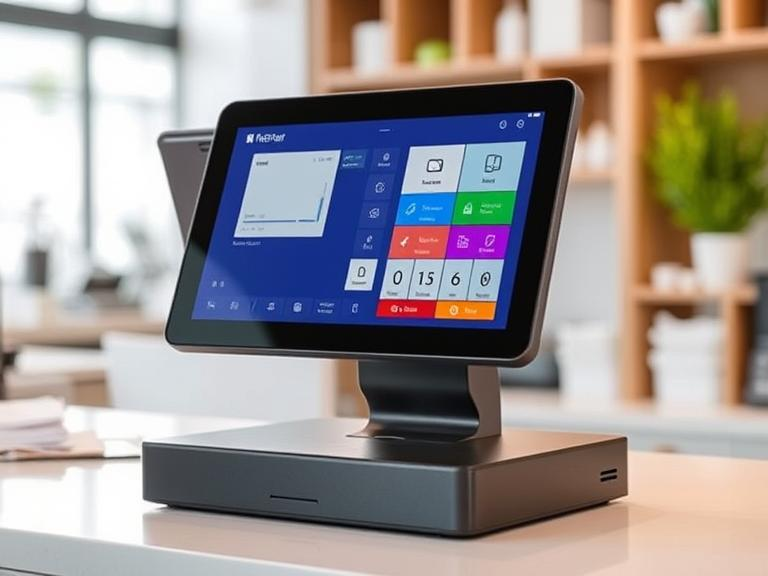
The world of business has seen a significant shift in recent years, with more companies adopting remote work policies to provide employees with flexibility and better work-life balance. As this trend grows, businesses must rethink their operations and adopt tools that support remote work. One area where businesses have seen significant transformation is in their Point of Sale (POS) systems. What was once a tool confined to brick-and-mortar stores is now evolving to meet the needs of digital businesses and remote teams.
This article will examine how POS systems are changing to support remote work, the benefits of cloud-based POS systems, the role of mobile POS devices, and why these changes are crucial for businesses in 2023 and beyond.
Understanding POS Systems and Their Traditional Use
Before diving into the evolution of POS systems, it’s essential to understand their role in businesses. A POS system traditionally refers to the tools and hardware used by businesses to process customer transactions. This could include a cash register, receipt printer, barcode scanner, and a credit card processor. These tools were designed to support businesses in physical locations like retail stores or restaurants, helping to manage inventory, track sales, and complete transactions.
Over time, POS systems have evolved beyond just processing sales. Now, they include software that tracks sales, customer data, and inventory. Many modern systems also generate detailed reports and provide analytical insights to improve business decision-making. As businesses increasingly adopt remote work policies, their reliance on traditional POS systems is being challenged, pushing the industry towards new, more flexible solutions.
The Role of Remote Work in Changing POS Systems
The shift to remote work has had a direct impact on how businesses approach their POS systems. Remote work has forced companies to rethink their operations, making traditional POS systems less suitable for modern work environments. Remote teams need to access business data from anywhere, and traditional systems simply don’t offer this level of flexibility. As a result, cloud-based and mobile POS systems have emerged as critical solutions to support remote businesses.
The Shift Toward Cloud-Based POS Systems
Cloud-based POS systems are becoming increasingly popular for businesses that operate with remote teams or have a large online presence. Unlike traditional POS systems, which are tied to a physical location, cloud POS solutions store all business data in the cloud. This means that business owners and remote workers can access critical information—sales data, inventory levels, and customer information—anywhere and at any time with an internet connection.
Why Cloud-Based POS Systems are Ideal for Remote Work
Cloud-based POS systems are designed with flexibility in mind. Here are some of the key advantages that make them a great fit for remote work:
- Accessibility: Cloud POS systems can be accessed by authorized users from any device connected to the internet, meaning business owners and remote workers can access the system from laptops, tablets, or smartphones. This makes it easy for teams to work from any location.
- Real-Time Data: With cloud POS systems, businesses receive instant updates on transactions, inventory, and customer data. This ensures all employees, regardless of location, are working with the same up-to-date information. Remote teams can make quick, informed decisions based on real-time data.
- Scalability: Cloud-based systems are highly scalable, allowing businesses to grow without the need for expensive hardware upgrades. As a business adds new employees, locations, or features, cloud-based POS solutions can be quickly adjusted to meet new demands.
- Integration with Other Tools: Cloud POS systems can be easily integrated with other business tools, such as accounting software, customer relationship management (CRM) platforms, and inventory management systems. This integration streamlines operations, which is especially beneficial for businesses with remote teams.
The Impact of Mobile POS Systems on Remote Work
As remote work grows, so does the need for flexibility. This is where mobile POS systems come into play. Mobile POS systems allow businesses to process transactions using smartphones, tablets, and other portable devices, making it easier for employees to conduct business from anywhere. These devices can be used by sales teams working remotely, at pop-up shops, or during on-the-go sales events.
How Mobile POS Systems are Supporting Remote Sales
Mobile POS devices offer businesses the ability to process transactions no matter where they are. For example, remote sales representatives can complete transactions during in-home consultations, while vendors at pop-up events can handle payments without needing a traditional counter setup. The ability to process payments on the go is crucial for businesses that don’t have a physical storefront.
Additionally, mobile POS systems provide remote teams with access to important business data, such as inventory levels, sales numbers, and customer records. This ensures employees can work efficiently and make informed decisions, even when they are not physically present at the office or store.
Real-Time Data Synchronization for Remote Work
Real-time data synchronization is one of the most significant advantages of cloud-based POS systems. In a remote work setup, multiple team members may be accessing the system at the same time, from different locations. With real-time synchronization, any changes made to the system, such as a new sale or inventory update, are automatically reflected across all devices. This ensures everyone is on the same page and working with the most current data.
Benefits of Real-Time Synchronization
- Improved Coordination: With real-time data synchronization, remote teams can easily coordinate their work, ensuring that all team members have access to the same information, no matter where they are.
- Data Accuracy: Real-time synchronization reduces the risk of errors and discrepancies that may arise when data is updated in one location but not reflected across the system. This leads to more accurate records and fewer mistakes.
- Faster Decision-Making: With up-to-date information, businesses can make quicker decisions, whether it’s adjusting inventory levels or making changes to a marketing campaign.
The Importance of Security in Remote POS Systems
As more businesses adopt remote work, security has become a top concern, especially when it comes to handling sensitive customer data. A secure POS system is essential to protect customer information and ensure compliance with industry regulations.
Security Measures for Remote POS Systems
Modern POS systems use encryption technology to secure sensitive data such as credit card information and personal customer details. Additionally, many systems now include multi-factor authentication (MFA) to prevent unauthorized access. These measures help protect businesses and customers from cyber threats, even when employees are working remotely.
Compliance with Industry Standards
Remote POS systems must also comply with industry standards such as the Payment Card Industry Data Security Standard (PCI DSS). These standards provide guidelines for securely handling payment data. Businesses using POS systems for remote work must ensure their systems meet these standards to maintain security and protect customer information.
POS Systems for Different Industries and Remote Work
Not all industries have the same needs when it comes to POS systems, and remote work has led to the creation of specialized solutions for various sectors. For example:
- E-Commerce: E-commerce businesses benefit from cloud-based POS systems that integrate with their online sales platforms. These systems allow businesses to manage both in-store and online orders from one central location, which is especially important for businesses with remote teams managing online stores.
- Retail: Retail businesses use remote POS systems to track inventory, manage sales, and process customer payments, all while supporting a remote workforce. Retail employees can access the system remotely to check stock levels, update pricing, and monitor sales performance.
- Hospitality: The hospitality industry, including restaurants and hotels, has also adopted remote POS systems to handle reservations, process payments, and track inventory. With cloud-based systems, managers can oversee operations from any location and make real-time adjustments to improve customer service.
Conclusion
As remote work continues to grow, the role of POS systems has evolved to support businesses in this new environment. Cloud-based POS systems and mobile devices provide businesses with the flexibility, scalability, and security needed to operate efficiently from anywhere. Real-time data synchronization and integrated reporting features make it easier for remote teams to stay connected and collaborate effectively.
As businesses move forward into 2023 and beyond, investing in a remote-friendly POS system is no longer optional—it is essential for staying competitive. By choosing a flexible, secure POS solution, businesses can maintain smooth operations, safeguard customer data, and scale effectively, no matter where their employees are located.
If you’re looking to upgrade your POS system to better support remote work, consider choosing a solution that offers cloud-based capabilities, mobile access, and strong security features to help your business succeed in the remote work environment.

