
What is a Modern POS System?
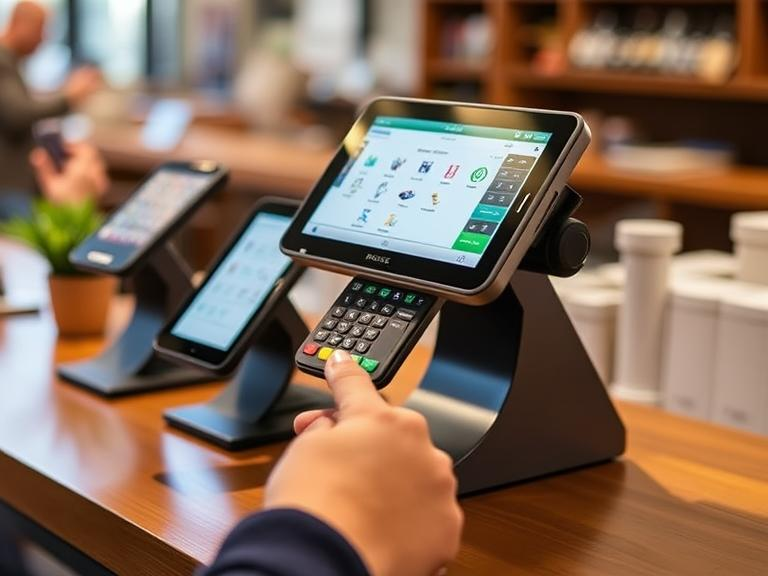
A modern POS (Point of Sale) system is a tool businesses use to complete sales, accept payments, and manage inventory. Unlike old-school cash registers, modern POS systems run on computers, tablets, and smartphones. They connect to cloud-based software, allowing business owners to track sales, inventory, and customer data from anywhere.
What Are the 4 Types of POS Systems?
Different businesses need different types of POS systems. Here are the four main categories:
- Traditional POS Systems – Installed on local computers, commonly found in large retail stores.
- Tablet POS Systems – Used on iPads or Android tablets, providing mobility and flexibility.
- Mobile POS Systems – Work on smartphones, great for small businesses and on-the-go sales.
- Cloud-Based POS Systems – Store sales data online, offering remote access and real-time updates.
What is POS Modernization?
POS modernization refers to upgrading older point-of-sale systems with newer features like cloud access, mobile payment options, and AI-powered analytics. A modern POS system helps businesses operate faster, improve accuracy, and provide better service to customers.
What is a POS System Example?
A restaurant using a tablet-based POS system is a good example. A waiter enters an order into the system, which automatically sends it to the kitchen. When the customer is ready to pay, the system calculates the total and allows payment through cash, credit card, or mobile wallet.
What Are the Three Types of POS?
POS systems can be categorized based on their usage:
- Retail POS Systems – Designed for stores, handling sales, inventory, and promotions.
- Restaurant POS Systems – Include features like menu management, kitchen communication, and table service.
- Service-Based POS Systems – Used by salons, spas, and appointment-based businesses to track services and bookings.
Where Are POS Systems Used?
POS systems are used in a variety of businesses, including:
- Grocery stores and supermarkets
- Clothing and electronics shops
- Restaurants, cafes, and food trucks
- Hotels and hospitality businesses
- Gyms and wellness centers
- Gas stations and convenience stores
What is the POS System Method?
The POS system method outlines the steps businesses follow to complete transactions:
- Product Selection – Items are added to the system.
- Payment Processing – The system calculates the total and processes payment.
- Receipt Generation – A printed or digital receipt is provided.
- Stock Update – The system adjusts inventory levels.
- Sales Report – Data is stored for tracking and analysis.
What Are the 5 Uses of a POS System?
POS systems help businesses in multiple ways:
- Transaction Processing – Speeds up checkouts and reduces errors.
- Inventory Management – Tracks stock levels in real time.
- Customer Data Tracking – Helps with loyalty programs and personalized marketing.
- Employee Performance Monitoring – Records sales data and work hours.
- Business Reporting – Provides financial insights to help owners make better decisions.
What is POS Technology?
POS technology includes both the software and hardware needed for transactions. Key components include:
- Touchscreen monitors or tablets
- Barcode scanners
- Receipt printers
- Cash drawers
- Credit card readers
What is POS and CRM System?
A POS system processes transactions, while a CRM (Customer Relationship Management) system manages customer interactions. Some modern POS systems come with built-in CRM features to track customer purchases and preferences.
How to Install Modern POS?
Setting up a modern POS system is straightforward:
- Select a POS software – Choose one that fits your business type.
- Set up the hardware – Install screens, barcode scanners, and printers.
- Configure the software – Add product lists, pricing, and tax details.
- Train staff – Teach employees how to use the system.
- Start processing sales – Begin tracking transactions and inventory.
What is Online POS System?
An online POS system is cloud-based, allowing businesses to complete transactions using an internet connection. It enables remote access, automatic updates, and real-time inventory tracking.
What is the Most Popular POS System?
Several POS systems are widely used across industries:
- Square – A favorite among small businesses and mobile sellers.
- Shopify POS – Ideal for online and in-store retail businesses.
- Lightspeed – Best for large retailers and restaurants.
- Toast – Designed specifically for restaurants and cafes.
- Epos Now – A versatile choice for businesses of all sizes.
What is the Future of POS System?
The future of POS systems is focused on new technology and smarter automation:
- AI and Machine Learning – Helps businesses analyze trends and customer behavior.
- Contactless Payments – Tap-and-go and mobile wallet payments are becoming the norm.
- Omnichannel Integration – Merging in-store and online shopping experiences.
- Voice-Activated POS – Hands-free transactions for quicker checkouts.
Who Uses POS System?
Businesses of all types use POS systems, including:
- Retail stores
- Restaurants and coffee shops
- Hotels and resorts
- Salons and spas
- Gas stations
- Event ticketing services
Choosing the right POS system can simplify your business operations. Whether you need a cloud-based, mobile, or traditional POS, there’s an option for every business type. Ready to upgrade your POS system? Start exploring your choices today!
FAQs
What is a modern POS system?
A modern POS system is a digital sales tool that manages transactions, inventory, and payments in real time.
What are the four types of POS systems?
Traditional, tablet, mobile, and cloud-based POS systems are the four main types.
Why do businesses upgrade to modern POS systems?
To improve efficiency, accept multiple payment types, and track sales from anywhere.
What is the future of POS systems?
AI-powered analytics, contactless payments, and voice-activated transactions are shaping the future.
Who benefits from using a POS system?
Retailers, restaurants, salons, and service-based businesses use POS systems to simplify operations.

