
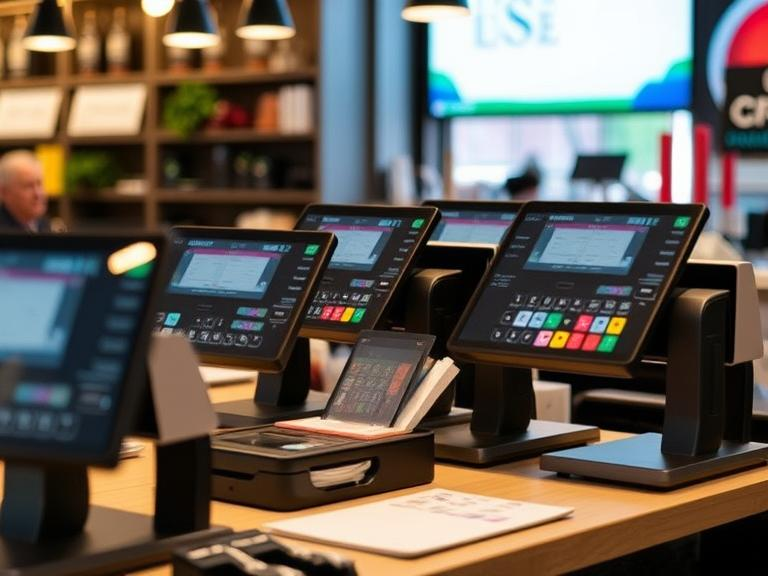
The healthcare sector is seeing continuous advancements in how services are delivered and payments are processed. Point of Sale (POS) systems are at the heart of this evolution, as they adapt to meet the specific needs of healthcare providers and their patients. With improvements in speed, security, and integration, these systems are changing the way healthcare transactions are managed. Let’s examine the future of POS systems in healthcare and what innovations are expected to shape the future of payment processing.
What Are POS Systems in Healthcare?
A POS system is where payments are made. In a healthcare setting, it can mean paying for a medical service, medications, or any other healthcare-related expenses. These systems are more than just a way to accept payments—they help healthcare providers track transactions, manage data, and make sure everything is processed correctly.
Years ago, healthcare payments were done with checks or cash, and paper billing was common. Now, POS systems help healthcare providers handle payments digitally, making the process faster and less prone to mistakes.
How POS Systems Have Changed Over Time
POS systems aren’t new, but the technology behind them has come a long way. Early systems were simple cash registers. Over the years, these systems have gotten smarter and more versatile. Today, modern POS systems handle credit and debit card payments, insurance claims, and even mobile payments like Apple Pay or Google Wallet.
The future will see even more advanced features. Hospitals, clinics, and pharmacies will have systems that integrate with other technologies, such as Electronic Health Records (EHR). This will give healthcare workers a complete view of a patient’s payment history and medical data in one place.
What the Future Holds for POS Systems in Healthcare
So, what can we expect from POS systems in healthcare? Here are some key changes that will shape their future:
- Mobile POS Technology
In the future, patients may be able to pay their bills directly through mobile devices. This will make it easier for healthcare providers to process payments at the point of care—whether it’s at the hospital, clinic, or even at home. - Cloud-Based Systems
Cloud-based POS systems are becoming increasingly popular. These systems allow healthcare providers to access payment data from any location, at any time. Whether a provider is at the office, a hospital, or even working remotely, they can manage payments with ease. - AI and Machine Learning
Artificial intelligence will play a bigger role in POS systems. AI can help detect fraud and predict issues before they occur. Over time, POS systems will become even more accurate at identifying patterns and solving problems without human intervention. - Contactless Payments
As technology progresses, contactless payments will become the norm. With mobile wallets, patients will be able to pay with a tap of their phone, card, or even smartwatches. This method speeds up transactions and removes the need for physical payment methods.
Benefits of Advanced POS Systems for Healthcare Providers
When healthcare providers use advanced POS systems, they can enjoy a range of benefits:
- Simplified Billing
Billing in healthcare can be complicated. With POS systems, everything is processed digitally, which makes it easier to track payments and reduce billing errors. - Reduced Human Errors
Mistakes happen, especially when dealing with paper records. Digital POS systems automatically record transactions, making it less likely for errors to occur. - Improved Data Management
With the data from POS systems stored electronically, healthcare providers can access patient information quickly and accurately. This helps to track payments, outstanding balances, and patient histories. - Faster Transactions
Patients don’t want to wait in long lines or deal with slow payment systems. POS systems help speed up the process by allowing patients to pay on the spot, saving both time and frustration.
How POS Systems Benefit Patients
It’s not just healthcare providers who benefit from these systems—patients do, too. Here’s how:
- Faster Payments
Patients won’t need to wait around to pay. With advanced POS systems, payments are processed quickly, reducing the wait time. - Multiple Payment Options
Some people prefer paying with credit cards, others with mobile wallets, and some with insurance. Future POS systems will allow patients to choose how they want to pay, making it more convenient for everyone. - Transparency
With digital POS systems, patients will always know exactly what they’re being charged for. This transparency helps reduce confusion and creates a more trusting relationship between the patient and provider. - Less Paperwork
Many healthcare providers are moving away from paper records, and POS systems are part of that change. Patients won’t need to fill out forms or keep track of paper receipts. Everything will be stored digitally for easy access.
The Role of Artificial Intelligence and Automation
AI and automation are helping businesses across the world become more efficient—and healthcare is no exception. AI can help identify payment fraud or billing errors before they happen. Over time, these systems will get smarter and more accurate, helping providers solve problems before they arise.
Automation also helps save time. For example, billing that used to take hours or even days can be completed almost instantly. Staff can focus on other important tasks instead of getting bogged down in paperwork.
Blockchain and Healthcare POS Systems
Blockchain, which is known for securely storing data, will play a big role in the future of healthcare payments. This technology helps protect sensitive patient data and prevents fraud. Blockchain makes it easier for healthcare providers to process payments quickly and securely, especially when dealing with insurance claims.
Challenges with Future POS Systems
There are a few challenges that healthcare providers may face when adopting new POS systems:
- Cost
New technology often comes with a significant cost. Healthcare providers will need to consider the expense of upgrading their POS systems and whether it’s a good investment. - Training Staff
New systems require proper training. Healthcare workers will need to learn how to use the updated POS technology, which may take time. - Integration with Other Systems
Many healthcare organizations already use systems like Electronic Health Records (EHR). Getting new POS systems to work with older systems can be difficult and time-consuming. - Privacy Concerns
Digital payment systems collect a lot of sensitive data. Healthcare providers will need to make sure that patient information is secure and complies with laws like HIPAA (Health Insurance Portability and Accountability Act).
What Does the Future Hold?
As technology continues to evolve, healthcare POS systems will become faster, more secure, and easier for both providers and patients. We can expect more mobile payments, better fraud protection, and smarter systems that reduce the risk of errors. These advancements will help healthcare providers improve efficiency and offer a better experience for their patients.
Act Now to Prepare for the Future
If you’re a healthcare provider, now is the time to start thinking about how you’ll upgrade your payment systems. The future is coming quickly, and adopting the latest POS technology will put you ahead of the competition. Get ready for smarter payments, easier transactions, and a better overall experience for your patients.
FAQs
- What are POS systems in healthcare?
- POS systems in healthcare are digital platforms used to process payments for medical services, medications, and other healthcare-related expenses.
- How have POS systems improved healthcare payment processing?
- Modern POS systems make healthcare payments faster, more accurate, and secure by eliminating paper billing and automating transaction tracking.
- What is the role of AI in the future of POS systems in healthcare?
- AI will help detect fraud, predict billing issues, and automate payment processes, making healthcare transactions more efficient and accurate.
- How will mobile POS technology impact healthcare payments?
- Mobile POS technology will allow patients to pay directly from their smartphones, streamlining payments at the point of care.
- What challenges do healthcare providers face with future POS systems?
- Providers may face challenges such as system costs, integration with existing technologies, staff training, and ensuring data privacy.

